
Reasons Cazeus Casino Cache Control Operates Intelligently UK Technical View
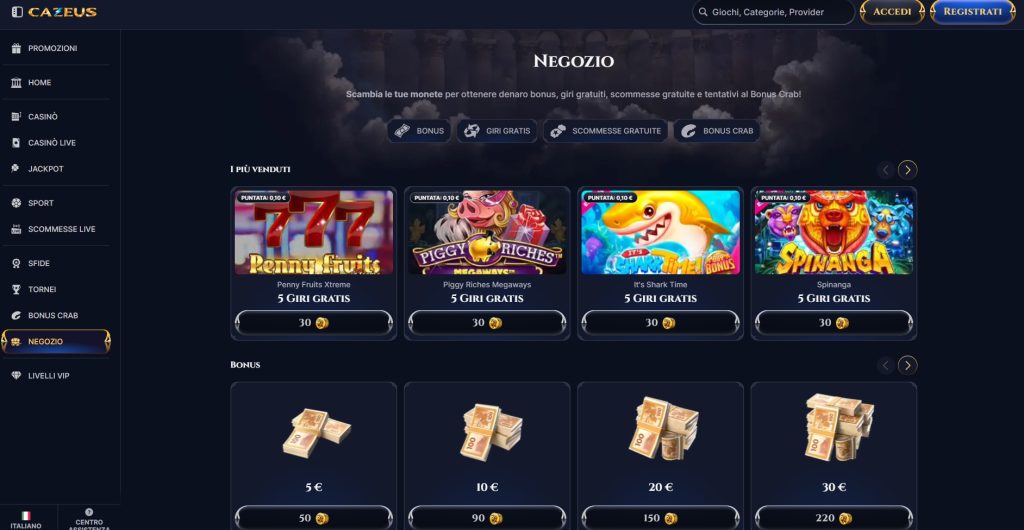
As a player arrives at a gaming platform, the tiny delays until the lobby shows define the whole session. Cazeus Casino has designed a cache management layer which works with an almost predictive intelligence, minimizing redundant data transfers and preserving the interface snappy even under heavy server load. The technical architecture underlying this system merits a thorough review because it addresses a problem that afflicts many online casinos: the ongoing battle between fresh live data and locally stored assets. By blending aggressive pre-fetching strategies with intelligent invalidation rules, the platform secures that game thumbnails, lobby layouts, and static resources come from the fastest available source without ever displaying stale promotional banners or outdated jackpot figures to the end user.
How the Service Worker Layer Enhances Performance
Past standard browser caching, the platform employs a carefully crafted service worker script that functions as a programmable proxy between the player’s device and the casino servers. This script intercepts network requests and makes intelligent decisions about whether to serve cached responses, fetch fresh data, or combine both approaches. The service worker pre-caches the critical rendering path during the first visit, indicating that subsequent sessions begin with near-zero network dependency for the shell of the application. Game iframes and live streaming components are explicitly excluded from this interception to prevent conflicts with provider-side security requirements and real-time communication protocols that require direct server connections.
Pre-storing the Critical Rendering Path
The startup experience receives special treatment through a technique that determines the absolute minimum set of resources necessary to render a functional lobby. The service worker fetches and stores these resources proactively during idle moments after the first successful load. On repeat visits, the application shell loads from the local cache before any network request completes, creating a perception of instantaneous launch. The engineering team continuously inspects this critical bundle to keep it lean, removing any non-essential elements that might bloat the initial payload. This disciplined approach means that even players on slower mobile connections in areas with patchy coverage encounter a lobby that responds to taps without the frustrating blank-screen waiting period common on competing platforms.
Stale-While-Revalidate Strategy for Game Listings
Pages listing games pose a unique challenge since they should feel fresh while loading quickly. The service worker implements a stale-while-revalidate pattern whereby the cached version of the game grid shows immediately, giving the player something to interact with while a background request fetches updated availability and new releases. Once the fresh data arrives, the interface updates seamlessly without a jarring page refresh. This pattern recognizes a psychological truth about casino players: they browse visually and make rapid decisions based on game thumbnails. Presenting a cached grid instantly and then subtly updating it respects the user’s flow while ensuring that newly added titles become visible within seconds of the background synchronization completing.
Cache Security and Safeguarding Against Injection Attacks
A cache that uncritically retains and serves responses creates an attractive target for attackers seeking to inject malicious content that gets distributed to legitimate users. The platform deploys multiple layers of defense against cache poisoning, starting with strict validation of response headers before any content enters the cache store. The origin servers sign cached responses with integrity hashes that the edge nodes validate before serving, ensuring that cached content has not been compromised during transit or storage. Additionally, the cache configuration blocks attempts to store responses generated from requests containing unexpected query parameters or headers, closing off the common web cache deception vectors that exploit discrepancies between how caches and origin servers interpret URLs.
Encryption Enforcement and Certificate Pinning at the Edge
Every cached asset flows only over encrypted connections, with the edge nodes configured to reject any plain HTTP traffic. The platform reinforces this security through certificate pinning at the edge layer, where cached responses carry strict transport security headers that prevent downgrade attacks. When a player’s browser receives a cached resource, the accompanying security headers tell the browser to enforce HTTPS for all subsequent requests to that domain for an extended period. This defense-in-depth approach guarantees that even if an attacker attempts to compromise a network path between the player and the edge node, they cannot replace cached content with harmful data or strip the encryption that protects sensitive gaming sessions from eavesdropping and manipulation.
Edge-based architecture and Geographic Distribution of Cached resources

Spatial gap between a player and the origin server introduces latency that no amount of application-level optimization can eliminate. Cazeus Casino distributes its cached content across a global network of edge locations, guaranteeing that static assets and non-personalized API responses travel the shortest possible distance. A player accessing the platform from a mobile device in a distant location connects to the nearest edge node, which delivers cached lobby assets in just a few milliseconds. The edge configuration includes logic that routes cache misses intelligently, merging multiple simultaneous requests for the same uncached resource into a single origin fetch. This request coalescing prevents the origin server from handling a flood of identical requests when a newly launched game launches and thousands of players simultaneously request its previously uncached thumbnail.
Regional Compliance and Data sovereignty Considerations
Caching approaches must adhere to the intricate regulatory environment that regulates online gaming across different jurisdictions. The platform adjusts its edge caching rules to make certain data subject to residency requirements never departs approved geographic boundaries. Player-specific information, including fund details and personal details, is explicitly left out from the global cache and served only from origin servers within compliant regions. The caching layer separates between universally cacheable public content like game rules and jurisdiction-sensitive material that demands localized treatment. This architectural separation satisfies regulatory auditors while still enabling the vast majority of traffic to profit from edge caching, achieving a practical balance between legal compliance and technical performance optimization.
The Core Philosophy Behind Smart Caching
Many caching methods follow a basic TTL model where assets are cleared after a fixed duration irrespective of the fact they may remain unchanged. Cazeus Casino moves away from this inflexible method by treating cache freshness as a dynamic property tied to real-world events. When a game provider modifies a title’s artwork or a promotional campaign moves to a new phase, the cache layer gets an instant invalidation signal rather than counting on a timer to run down. This event-triggered architecture guarantees the player will not see a wrong thumbnail or clicks on a tournament that concluded hours ago. The engineering team built the system around the understanding that in a live gaming environment, data staleness is not simply a nuisance but a significant threat to trust and regulatory compliance.
Dividing Static Assets from Streaming Data
The first smart decision in the caching pipeline entails categorizing every piece of data into two distinct buckets with radically different handling rules. Static assets such as game icons, CSS frameworks, and sound packs sit in a long-lived cache with versioned URLs that change only when a new build deploys. Live data streams covering jackpot counters, live dealer table availability, and user balance snapshots avoid the traditional cache entirely or use a short-lived memory store with sub-second refresh intervals. This separation eliminates the common mistake of applying aggressive caching to financial data while simultaneously allowing the heavy graphical elements of the casino lobby to load almost instantly from a content delivery network edge node close to the player.
Versioned Resource Bundling and Cache Busting
Cache busting often transforms into a brute-force exercise where developers attach random query strings to file names, forcing every user to re-download entire libraries after minor updates. Cazeus Casino employs a sophisticated bundling system where each production release generates a unique content hash embedded directly into the file name. The platform serves these assets with far-future expiration headers, telling the browser to hold onto them indefinitely. When a new deployment occurs, the HTML references shift to the new hashed file names, and the old cached versions simply become orphaned and eventually evicted. This method eliminates unnecessary bandwidth consumption while guaranteeing that every player receives the exact front-end version intended for their session.
Memory Management and Cleanup Policies on Client Devices
Browser storage is not infinite, and heavy caching can backfire when it consumes so much disk space that the system acts or the browser itself evicts the whole site’s data. The platform applies a careful eviction policy that gives priority to retaining assets based on real usage patterns rather than a straightforward FIFO method. Resources the user has never opened get tagged as low priority and become candidates for removal when storage pressure grows. The lobby shell and recently played game assets receive the highest retention priority because they directly affect the perceived performance of the most common user journeys. This smart prioritization ensures that the cache stays useful rather than ending up as a bulky archive of rarely-used files.
Tracking Cache Hit Rates and Automatic Tuning
The technical team maintains visibility into cache performance through a dashboard that records hit ratios broken down by asset type, region, and device type. When the hit ratio for a certain asset drops below an allowed limit, automatic notifications initiate a review into whether the caching policies need tuning. At times a game provider changes their resource delivery methods without notice, and the system must respond fast. The platform utilizes machine-assisted analysis that compares current cache behavior against past benchmarks, marking anomalies that suggest a configuration shift. This proactive oversight approach means that cache degradation gets addressed before players detect any lag, preserving the consistently fast experience that frequent users have learned to expect.
Intelligent Invalidation Triggered by Backend Events
Standard cache expiry relies on periodic purges or admin-initiated flushes that require human intervention https://casinocazeuss.com/. Cazeus Casino integrates its caching layer straight to the backend event bus, permitting database changes to distribute invalidation commands in real time. When a game provider notifies the platform about a title going offline for maintenance, that event initiates an immediate purge of the affected game’s cached metadata across all edge nodes. In the same way, when the promotions team activates a new welcome bonus, the cached lobby banners refresh globally within seconds rather than waiting for a scheduled cache sweep. This direct linking between business logic and cache state eliminates the class of bugs where players see offers that no longer exist.
Selective Invalidation to Avoid Cache Storms
A naive implementation might clear entire cache regions, provoking a severe cache storm that swamps the database with revalidation requests. Cazeus Casino’s approach circumvents this pitfall by applying a label-based cache tagging system. As opposed to clearing a generic “games” cache region, each game asset gets marked with informative metadata such as game ID, provider ID, and lobby section. This enables targeted invalidation of only the pertinent objects rather than a blanket cache flush. Moreover, the system uses a hierarchical purge strategy: critical events like game status changes force immediate edge eviction, while low-priority updates such as description text changes undergo a batched processing queue that regulates the load on origin servers. This precise approach makes certain that purging affects only the minimum necessary cached data, maintaining everything else serving from edge locations and preventing any unnecessary load spikes on the infrastructure.
Performance Metrics and Continuous Improvement Cycles
The technical approach at Cazeus Casino handles cache performance as a dynamic measure rather than a static setup. Every deployment undergoes automated performance testing that assesses time-to-interactive, largest contentful paint, and cumulative layout shift across a typical selection of devices and network conditions. When a new game provider integration or lobby redesign risks to worsen these metrics, the deployment pipeline stops the release until the team handles the caching implications. Post-release monitoring juxtaposes real-user metrics against the synthetic benchmarks, creating a feedback loop that identifies edge cases no lab environment could simulate. This unyielding emphasis on measured outcomes rather than theoretical optimizations accounts for why the platform sustains consistently fast load times even as the game library expands and the feature set grows more complex.
The smart cache management architecture running behind the scenes at Cazeus Casino represents a thoughtful convergence of service worker technology, edge computing, event-driven invalidation, and rigorous performance monitoring. By treating cached content as a evolving resource that needs constant curation rather than a static dump of files, the platform provides an experience where the lobby feels local even when the games themselves stream from providers scattered across the globe. The separation of static and live data, the granular purge mechanisms, and the security-conscious implementation all add to a system that serves players reliably while protecting the integrity of every cached byte. For anyone curious about what distinguishes a sluggish gaming site from one that responds to every tap with satisfying immediacy, the caching layer supplies much of the answer.